Things unmade, remembered, forgotten /
Discover the best Trustly casinos UK 2026 with top sites for fast bank transfers, offering instant deposits and quick withdrawals.
Read the truth about fast payouts at the best real money online casinos UK 2026 and find out which platforms actually deliver on their promises.
Explore the best no KYC casinos UK 2026 for privacy-first gambling without ID checks and quick withdrawals.
Check out the best online slots UK 2026 with real money games, RTP realities, and UKGC-licensed casinos.
The definitive guide to the best real money online casinos UK 2026 helps you choose safe, rewarding platforms for real-money gaming.
Our complete guide to fast payouts and e-wallet deposits at the best Skrill casino UK sites covers everything you need to know.
Discover the best Paysafecard casino UK 2026 with top sites, deposits, bonuses, and withdrawals for secure prepaid play.
Explore the best UK casinos not on GamStop with independent platforms, offshore licensing, and wagering realities explained.
Our guide to low deposit casinos UK features the best £1, £5, and £10 minimum deposit sites for budget-conscious players.
Learn how to claim a free bonus on registration no deposit UK 2026 and start playing without risking your own money.
Our analytical guide to non-UK offers for free spins no deposit not on GamStop 2026 helps you find the best alternatives.
This is the only guide you’ll need for free spins no deposit UK 2026, covering all the best offers and how to claim them.
Discover free spins no wagering no deposit casino offers UK with our guide for 2026 and keep what you win without wagering requirements.
Our complete guide to 20, 25, 50, 100 and 200 free spins no deposit UK 2026 helps you find the most generous no-deposit spin offers.
Our comprehensive guide to Bitcoin casinos and the best crypto casino UK 2026 helps you find secure, fast-paying platforms.
Phoenix Art Space Window Gallery 5/9/25 – 5/10/25
List of Works / Dimensions in cm
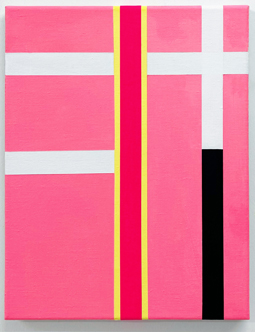
Acrylic, tape, linen
28x26x2 (NFS)
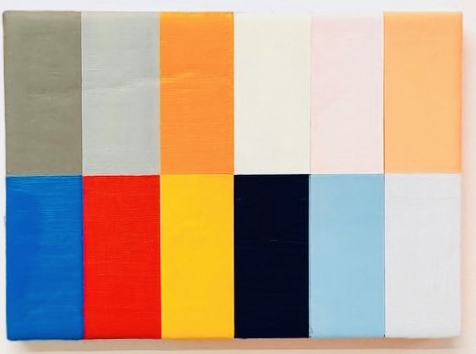
Oil, acrylic, gel, MDF
13x18x2
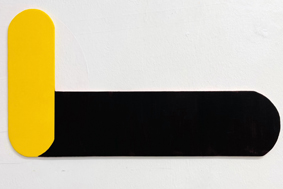
Oil, wax, acrylic, plywood
33×18
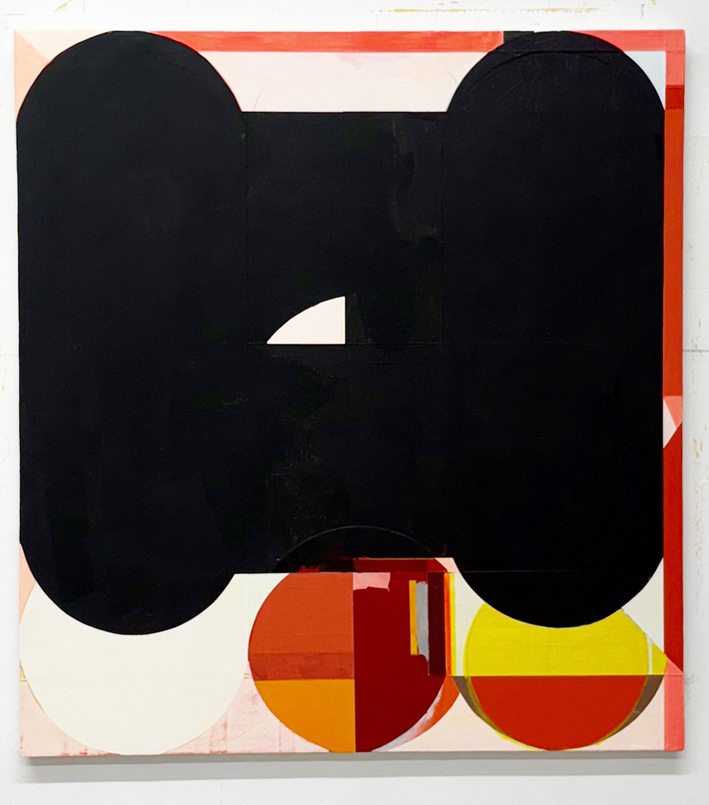
Acrylic, flashe, pencil, MDF
48x44x2
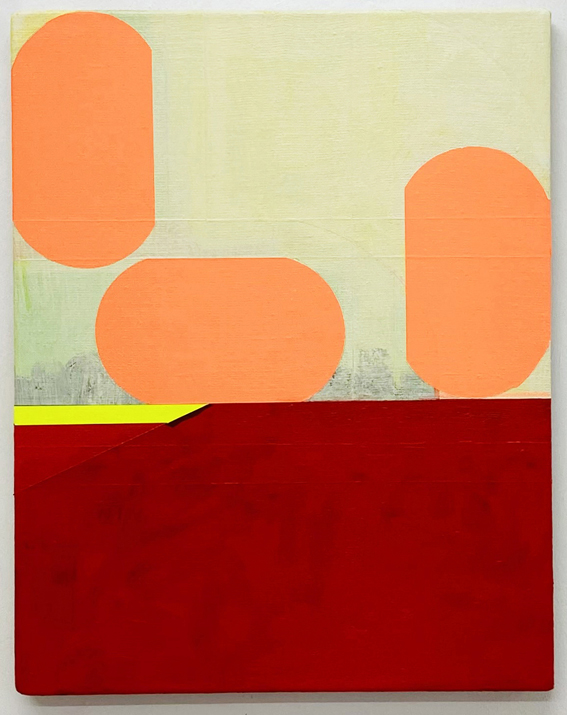
Acrylic, oil, marker pen, linen, MDF
36x28x2
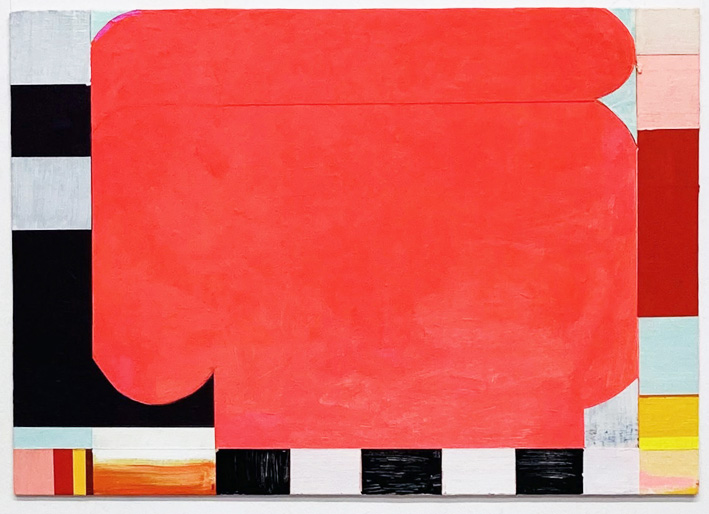
Acrylic, cardboard, MDF
21x30x1.9
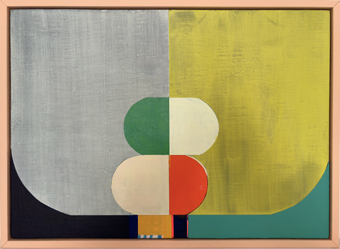
Acrylic, linen on MDF
31.5x44x1.5 (NFS)
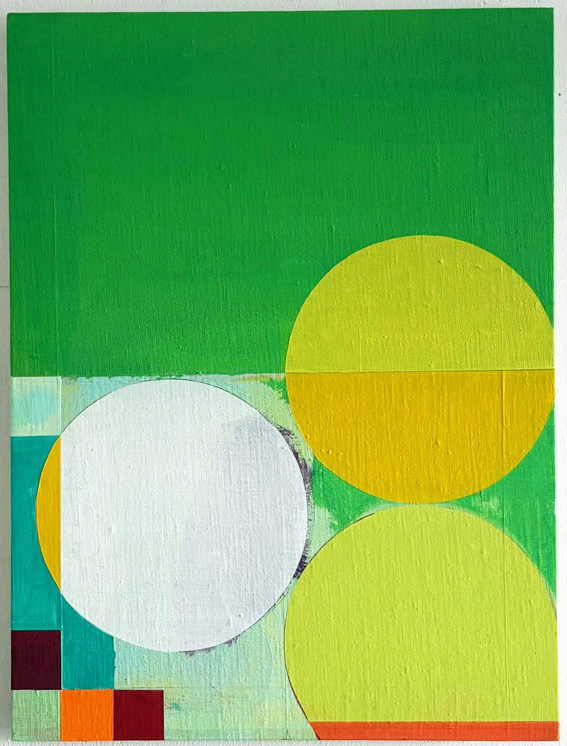
2025, Acrylic, linen on MDF
40x30x2
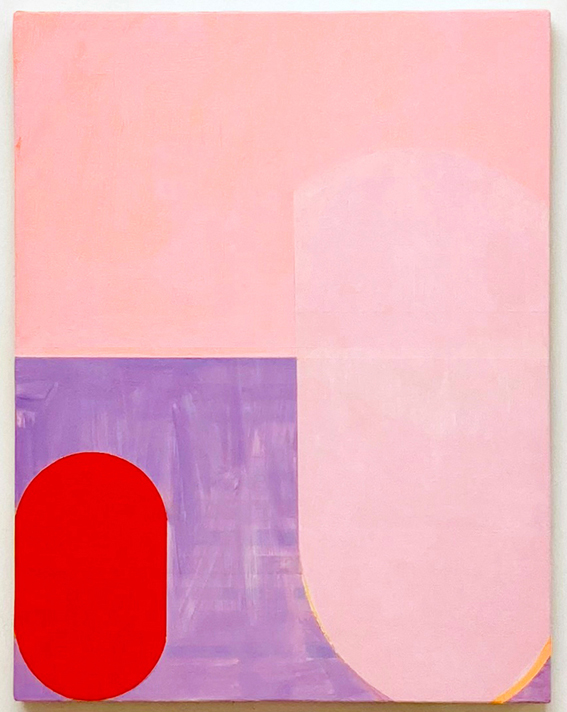
Acrylic, oil, marker pen, linen, MDF
36x28x2 (NFS)
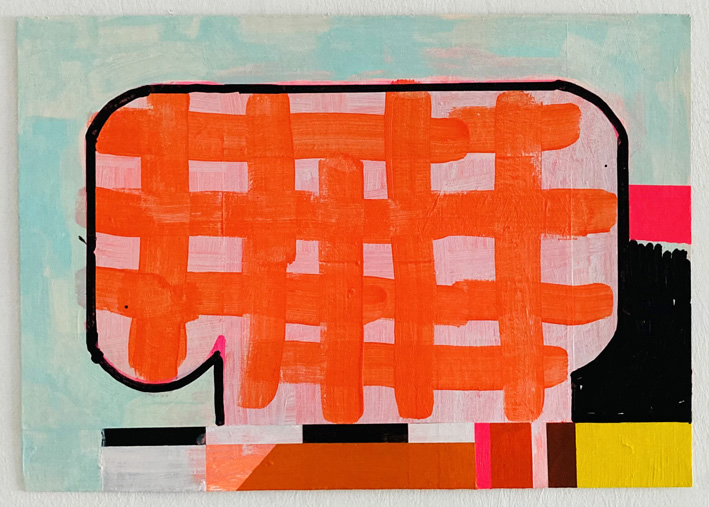
Acrylic, cardboard, MDF
21x30x1.9
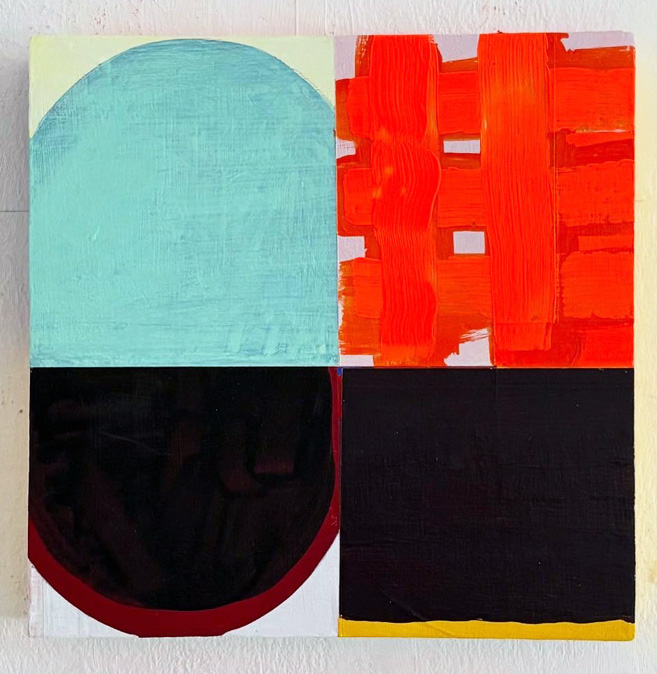
Acrylic, oil, MDF
14x14x2.75
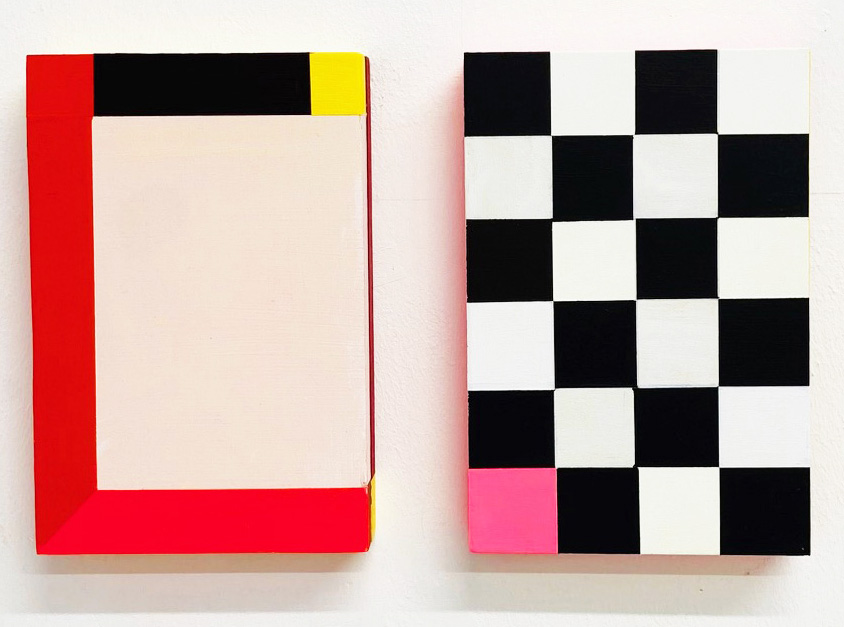
Acrylic, oil, MDF
Diptych, each 15x10x2.5
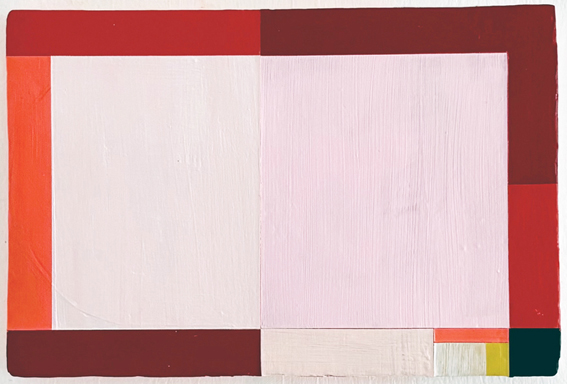
Acrylic, oil, MDF
10.2×15.2×1
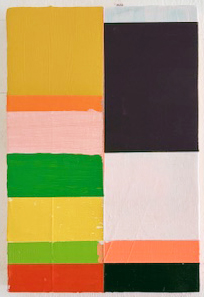
Acrylic, oil, collage, MDF
15.2×10.2×1
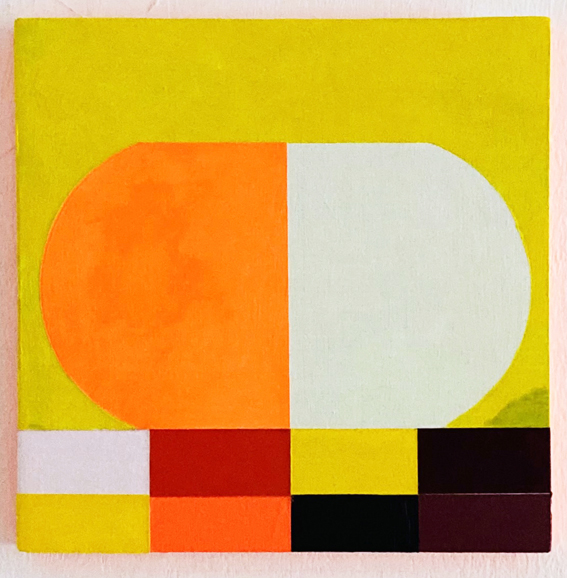
Acrylic, fluorescent acrylic, MDF
14x14x1
Ian Parker was born in Wolverhampton and lived in England, Guyana and
Nigeria as a child. Educated at Wimbledon School of Art, Kingston
Polytechnic and the Royal Academy Schools, on graduating he undertook
fellowships and residencies at Cardiff Institute of Higher Education and
Newcastle Polytechnic.
He has exhibited regularly since 1977 at venues including the Hayward
Gallery; Camden Arts Centre; Guildhall Art Gallery, London; Chapter Arts
Centre, Cardiff; Fruitmarket Gallery, Edinburgh; Arti et Amicitiae, Amsterdam
and the Towner, Eastbourne. Recent exhibitions include
Wells Art Contemporary, The Discerning Eye Exhibition,
Trinity Buoy Wharf Drawing Prize, Winter Group Show, Linden Hall Studio.
He held full and part-time academic posts from 1980 until retiring as Head of
School, School of Fine Art, UCA and as a Senior Moderator for the UAL
Awarding Body.
He is a member of The London Group https://thelondongroup.com and regularly exhibits in the group’s exhibitions.
Works for sale, POA unless marked NFS
Dimensions in cm
Things unmade, remembered, forgotten brings together a group of small paintings made over the past four years by Ian Parker.
Parker’s work is grounded in the material practice of painting, the modernist notion of painting as matter, its status and process as material.
A work may begin with a specific idea or as a vague reaction; a response to a thought, a shape, map colour keys, other works, studio paraphernalia, everyday domestic objects, drawings, a piece of information. This can be emotional, political, aesthetic, material or intellectual, and often a combination of all these elements. This experiential flux is mediated through the language of painting; received, learnt, remembered, questioned, discarded and rediscovered. And always the thing itself as it unfolds through the act of making, an accretion, a kind of muscle memory.
Parker writes, ‘I don’t begin works with any preconceived notion of what they will end up like. What would be the point of that! However, there are consistent pictorial concerns which emerge through deliberately simple, even banal, working processes. These concerns repeatedly explore colour, shape, rhythm, surface, figure / ground relationships, scale, the interaction of flattened and recessive space, and often horizontal divisions. I construct as much as paint paintings, and when the emergent elements of the work coalesce, they perhaps speak back to me, and hopefully to others, of ‘things the mind already knows’ but obliquely, without explicitly naming them. Whatever else, painting is always about painting. What a painting is, was, or might be. What’s remembered, partially recalled, and sometimes revealed.’
In the introduction to Discrepant Abstraction, Kobena Mercer identifies an approach to abstraction that denies notions of homogeneity and ‘purity’, and is described as ‘discrepant, hybrid, partial, elusive, obstinate, and strange.’ Kobena Mercer, Discrepant Abstraction (Cambridge, Mass.: MIT Press, 2006)
‘Before color becomes the mysterious and complex force it has been theorized to be, before it is a philosophical or alchemical problem, or a socio-economic demarcation, color is a material, a tool, the ready-at-hand colored stuff that you wield in making a painting.’Sillman Amy, ‘On Colour’, Faux Pas Selected Writings and Drawings: After 8 Books, 2024